Monthly Grocery Shopping at a Supermarket: How to Plan Efficiently and Save More
Monthly grocery shopping at a supermarket becomes simple when you follow a structured plan. Many families overspend because they shop without preparation. However, a smart approach helps you save money, reduce waste, and manage time better. This guide explains practical strategies to plan grocery shopping efficiently while improving your overall supermarket experience.
Planning monthly groceries is not only about buying items in bulk. Instead, it involves understanding your household needs, budgeting correctly, and choosing quality products. Therefore, proper planning ensures convenience and financial control.
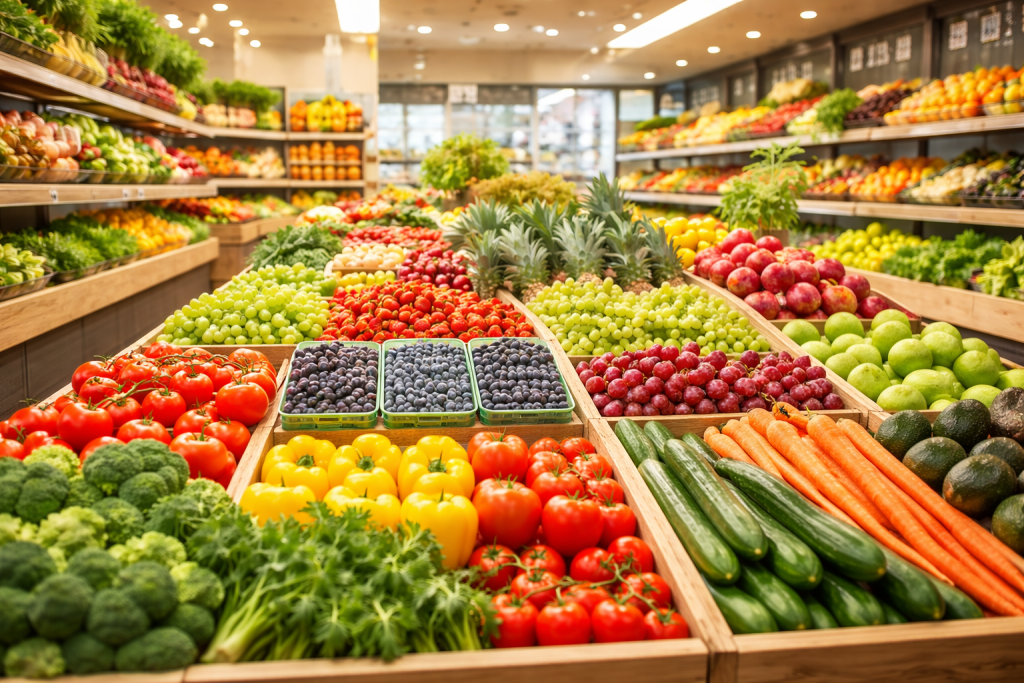
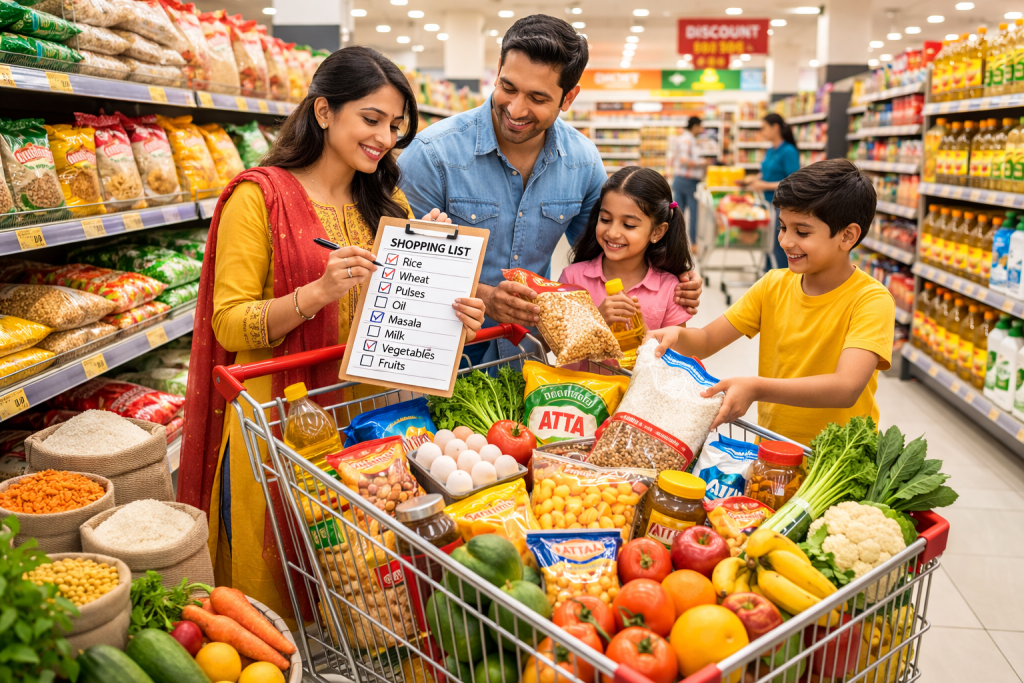
Why Planning Supermarket Grocery Shopping is Important
Monthly planning offers multiple benefits for families. First, it reduces frequent store visits, which saves time and travel costs. Moreover, bulk buying often provides better discounts and offers. As a result, you spend less while purchasing more essentials.
Another important factor is avoiding food waste. When you plan meals in advance, you purchase only necessary items. Consequently, groceries stay fresh and usable for longer periods. In addition, organised shopping reduces stress and confusion inside the supermarket.
Step-by-Step Guide to Monthly Grocery Planning
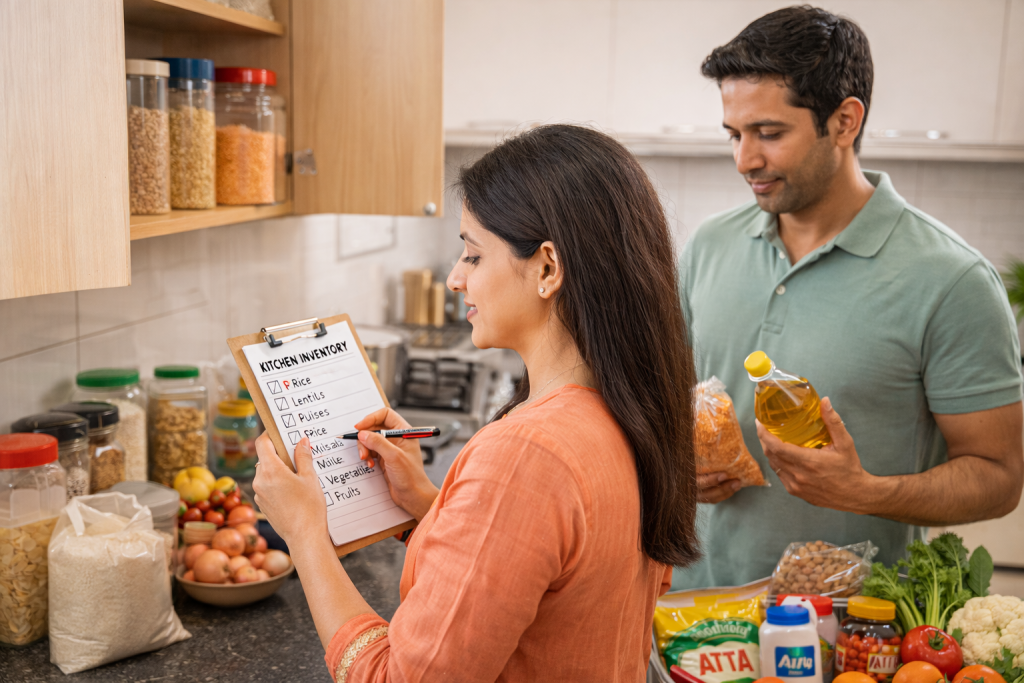
1. Check Your Kitchen Inventory
Before visiting the supermarket, review your pantry and refrigerator. This step prevents duplicate purchases. Also, it helps you prioritise essential items.
2. Create a Monthly Grocery List
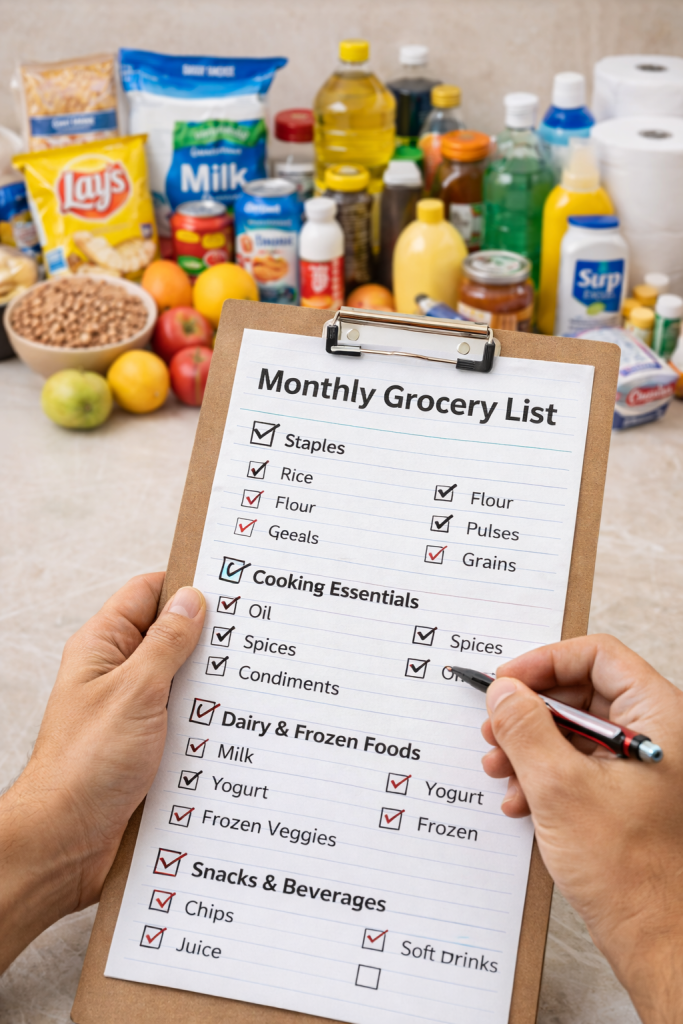
Divide your list into categories for better organisation:
- Staples (rice, flour, pulses, grains)
- Cooking essentials (oil, spices, condiments)
- Dairy and frozen foods
- Snacks and beverages
Household and personal care items
Budget Planning for Supermarket Shopping
Setting a grocery budget is essential for financial control. First, estimate your monthly consumption based on family size. Then, compare supermarket prices and offers before purchasing.
Look for:
- Combo deals and bulk discounts
- Store brand products with lower prices
- Seasonal promotions and festive offers
Budget planning helps families maintain consistent spending habits without compromising quality.

Choosing Fresh and Quality Products in a Supermarket
Freshness plays a major role in grocery planning. Always check product labels, packaging dates, and expiry details. Additionally, observe colour, texture, and smell for fruits and vegetables.
For packaged foods:
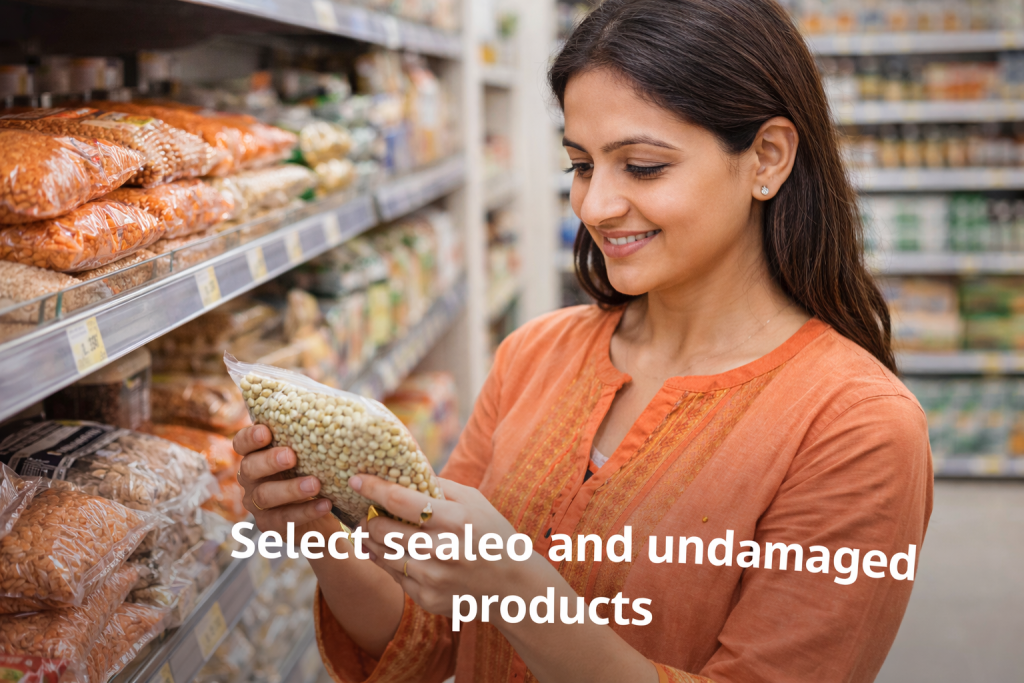
- Select sealed and undamaged products
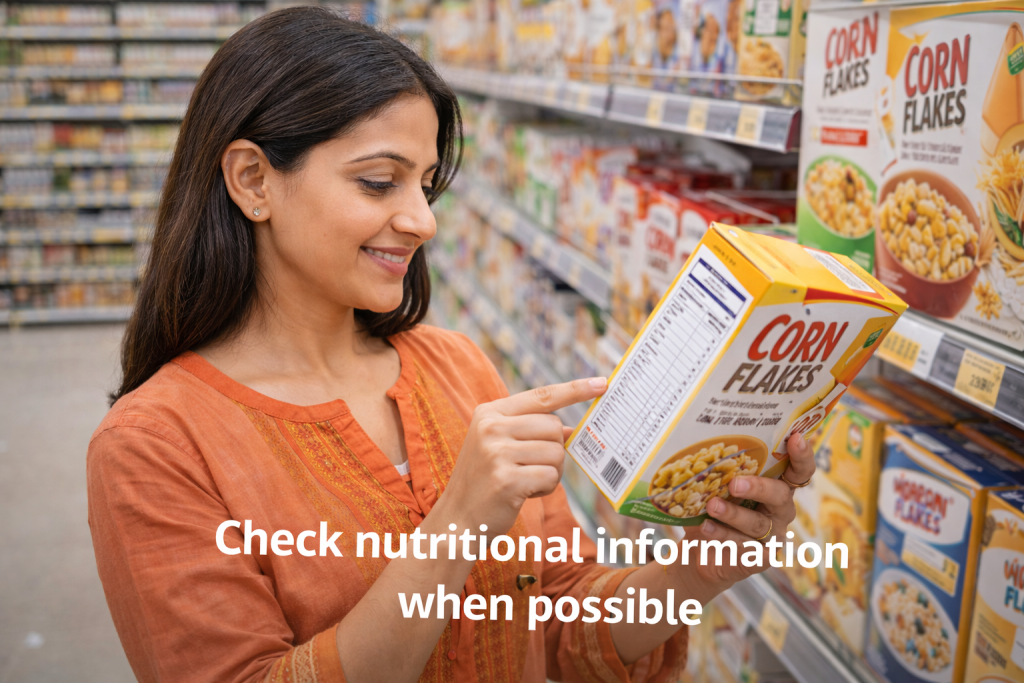
- Check nutritional information when possible
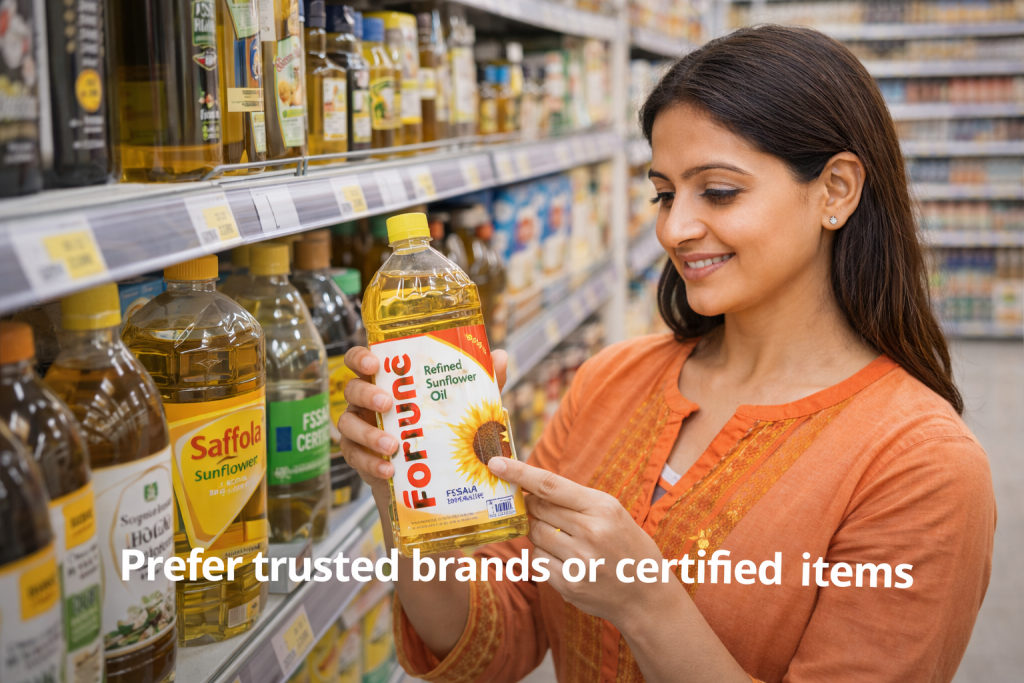
- Prefer trusted brands or certified items
Quality selection improves health and prevents unnecessary expenses later.
Smart Supermarket Shopping Habits to Save Money
Developing good shopping habits creates long-term benefits. For example, visiting supermarkets during discount days increases savings. Similarly, buying non-perishable items in bulk reduces frequent purchases.
Other useful tips include:
- Never shop when you feel hungry.
- Compare unit prices instead of total price.
- Use loyalty cards or reward points if available.
- Choose store brands for basic products.
These habits improve decision-making and control spending effectively.
User First Impression of a Well-Managed Supermarket
Customers usually notice cleanliness and organisation first. A well-arranged supermarket creates comfort and trust. Clear product sections, visible pricing, and helpful staff improve the shopping experience.
Additionally, proper lighting and hygiene reflect professionalism. Therefore, customers feel confident purchasing groceries from such stores.
Frequently Asked Questions (FAQs)
You can buy staples monthly and fresh produce weekly for better quality.
Plan lists, buy in bulk, and use discounts or loyalty offers.
Weekday mornings or non-peak hours provide a relaxed experience.
Conclusion
Monthly grocery shopping at a supermarket becomes efficient with planning, budgeting, and smart buying habits. A structured approach saves money, reduces waste, and improves convenience. When you prepare in advance, supermarket visits become faster and more enjoyable for the whole family.